Grooming a Senior Dog
What changes with age, how a good groomer adapts, and the jobs that matter more than they used to
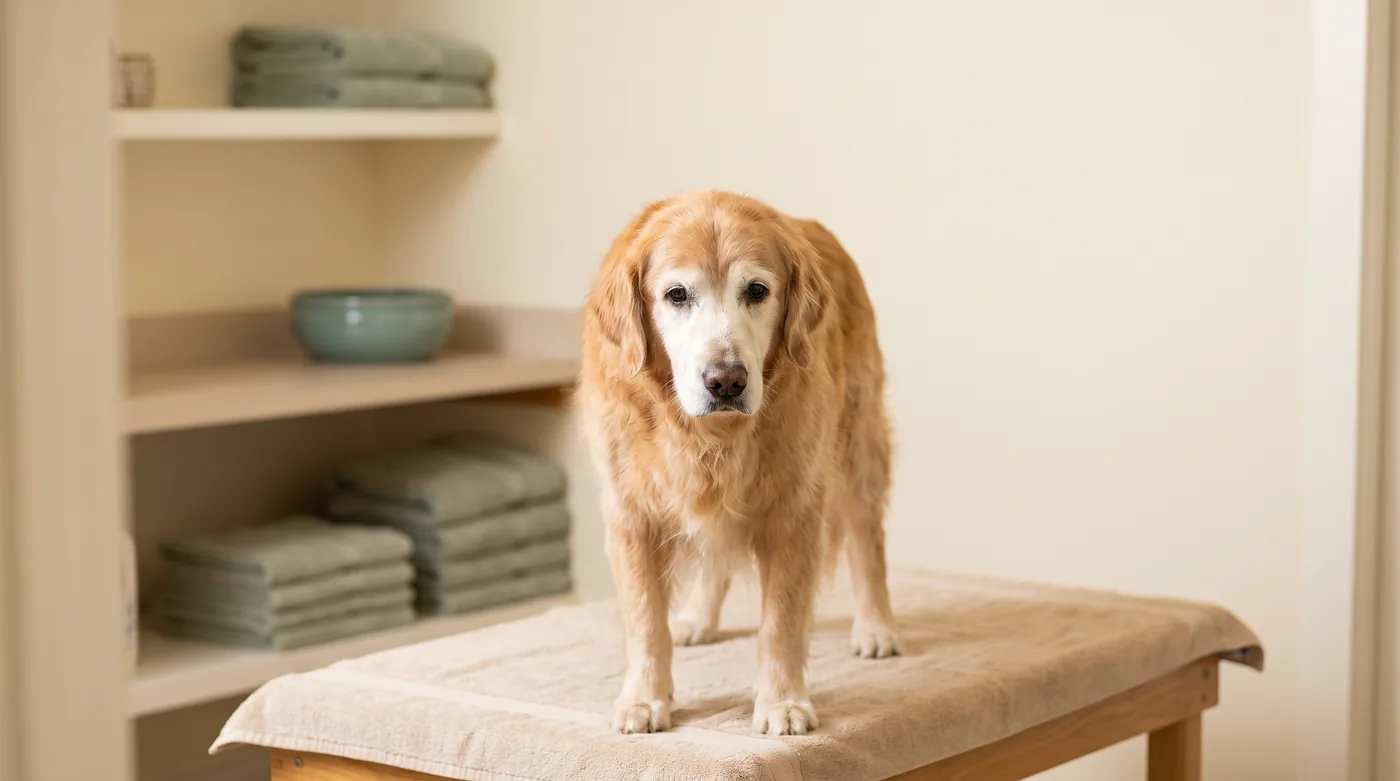
Grooming an old dog is a different job from grooming the same dog at four, and most of what changes is not about the coat.
Standing is harder. Skin is thinner and has more on it. The dog may not hear you coming. What has to change is the appointment, not whether the dog gets groomed. The jobs that matter most get more important with age, not less.
When Is a Dog a Senior?
It depends almost entirely on size, which catches out owners of big dogs.
- Giant breeds such as Great Danes and Mastiffs are usually considered senior around six
- Large breeds around seven to eight
- Medium breeds around eight to ten
- Small and toy breeds often not until ten or eleven
A seven year old Great Dane and a seven year old Yorkshire Terrier are at completely different points in life, and the grooming appointment should reflect that rather than the number.
Can a Dog Be Too Old to Be Groomed?
No, and the belief that there is such a point does real harm.
Coat does not stop growing because a dog is thirteen. A dog that stops being groomed at that age is heading for a matted coat, and a matted coat on an old dog is worse than on a young one, because the animal spends more of the day lying down and the pressure points felt first.
What is true is that a long styling appointment is genuine physical work. The right response is a shorter, simpler, better planned appointment. Age is a reason to change how it is done, not to stop.
Some very frail dogs, or dogs with serious heart or respiratory disease, are better groomed at a vet clinic where somebody can monitor them. That is a conversation with your vet, and it is worth having before you book rather than after something goes wrong.
What Changes in an Older Dog's Coat
Coat texture usually changes before the color does. Many dogs develop a coarser, drier, more brittle coat with age, and it holds tangles that the same coat shrugged off five years earlier.
Some dogs get greasier as the skin's oil production changes. Others go dry and flaky. Both are common and both are worth mentioning to a vet if they appear suddenly, since coat changes can be the first visible sign of a thyroid or hormonal problem.
The gray comes in around the muzzle and eyes first on most dogs, and it means nothing for the grooming. Cats are the sharper example of the same story: an old cat often stops grooming itself properly because twisting hurts, and the coat behind the shoulders and along the back goes matted while the front stays perfect. That pattern is a reason to see a vet, not just a groomer.
Thin Skin, Lumps and Skin Tags
This is the change that matters most to whoever is holding the clippers.
Older skin is thinner, less elastic and slower to heal. It tents up more easily, which is exactly the movement that puts skin under a blade. At the same time most old dogs accumulate warts, skin tags, fatty lumps and thickened patches, often in the armpits, the groin and along the belly where nobody looks.
A skin tag under a coat is invisible and a clipper will find it. Nicking one bleeds a great deal for its size and is painful.
Go over your dog with your hands before the appointment and tell the groomer where the lumps are. Better still, keep a rough note or a photo. This is the single most useful thing you can hand a groomer working on an old dog, and most owners never think to do it.
Anything new, anything growing, or anything that bleeds on its own is a vet visit rather than a grooming note.
Arthritis Changes How Long a Dog Can Stand
Joint disease is common in old dogs and it is often present well before an owner notices a limp. In a radiographic study of dogs older than eight, osteoarthritis showed up in the elbow of 57 percent of them, the shoulder of 39 percent, and the hip and stifle of about 36 percent each.
That matters at the salon because of what grooming asks. A dog on a table stands still for long stretches, then stands on three legs while the fourth is lifted for nails or feet, then gets asked to turn around on a hard surface. For a sore elbow or hip that is hard work, and the dog often cannot show it in a way anybody reads correctly.
What frequently gets called stubbornness in an old dog is pain. A dog that used to stand quietly and now shifts, sits down or objects to having a back leg lifted is usually sore.
How a Good Groomer Adapts for an Old Dog
Ask about these directly when you book. A groomer used to seniors will have answers ready.
- Shorter appointments, split across visits. Bath and dry one day, haircut and nails another.
- Letting the dog sit or lie down for parts of the groom instead of standing throughout.
- Non-slip matting on the table and in the bath, which matters more than anything else on this list.
- Support under the belly or a grooming sling for a dog with weak back legs.
- Working at a lower height, or on the floor, for a dog that cannot be lifted comfortably.
- Frequent breaks, and a plan to stop early if the dog has had enough.
- Booking the first slot so there is no long wait before the work starts.
A salon that will not take an old dog at all is being honest about what it can handle. That is more useful than one that takes it and rushes.
Nails Become a Bigger Problem Than the Coat
This is the part owners miss, and it feeds back into everything else.
An old dog walks less and walks more softly, so the nails wear down far less than they used to. They keep growing at the same rate. Within a few months a dog that never needed a nail trim in its life has nails touching the floor.
Long nails change how the foot lands. The toes are pushed backward, the weight moves off the pads, and the dog stands and walks differently to compensate. On joints that already hurt, that makes things worse, and the stiffness gets put down to age.
Grooming at home has the method for taking a dark nail back safely, a slice at a time, without needing to see the quick.
Nails on an old dog want doing little and often, every two to three weeks if you can. The quick has usually grown out with the nail, so bringing them back to a sensible length takes several sessions and cannot be done in one.
Dew claws deserve a specific mention. They touch nothing, so they never wear, and on an old dog they curl round into the pad often enough that it is worth checking every single month.
Bathing an Older Dog at Home
Most of the risk in a bath is the surface, not the water.
- Put a non-slip mat down in the tub or shower. A dog that slips once will fight the bath forever afterward.
- Use lukewarm water and keep the room warm. Old dogs lose heat faster and get cold easily.
- Dry thoroughly, particularly in skin folds and between the toes. Damp skin on an old dog goes sore quickly.
- Keep it short. Standing in a tub is standing.
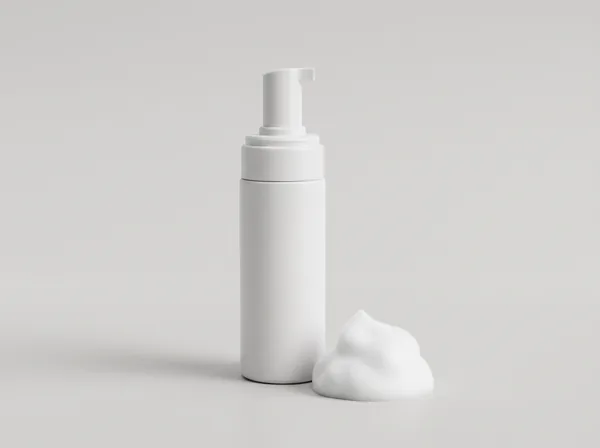
- Do not bathe more often than you need to. Older skin dries out, and a no-rinse product handles most of what a bath was for.
If lifting the dog into a tub is the hard part, that is usually the moment to hand bathing over to a groomer with a walk-in bath, or to one who comes to you.
Sanitary Trims Stop Being Optional
Old dogs get less tidy. Some are slower to move away from a mess, some have loose stools on medication, and some become incontinent, particularly older spayed females.
Urine sitting against skin under a coat causes scalding, which is painful and gets infected. A dog that lies in one position for hours will also get pressure points where the coat felts and the skin underneath goes sore.
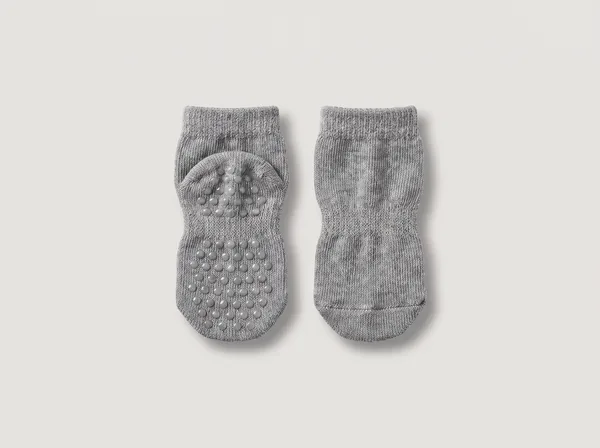
A sanitary trim, meaning the belly, rear and the area around the genitals kept short, is a comfort measure at this stage. Ask for the hair between the pads to be kept short too, because it collects moisture and makes an already unsteady dog slip on hard floors.
Deaf and Blind Dogs
Plenty of old dogs lose some hearing or sight, and owners often do not realize how much until somebody else handles them.
A deaf dog cannot hear a groomer approach and startles when it is touched from behind. A dog losing its sight relies on knowing where it is, and a strange room removes that entirely.
Tell the salon. The handling is simple once they know: approach from the front, let the dog see or feel a hand first, keep a hand in contact while moving around it, and do not leave it alone on a raised surface even for a second.
Dogs With Cognitive Decline
Some old dogs develop cognitive decline, which looks like pacing, getting stuck in corners, restlessness at night, or forgetting a routine they knew for a decade.
For grooming, the practical answer is sameness. The same groomer, the same time of day, the same order of jobs. A dog with a fading memory copes far better with something it half recognizes than with a new salon that is cheaper.
What Helps at Home
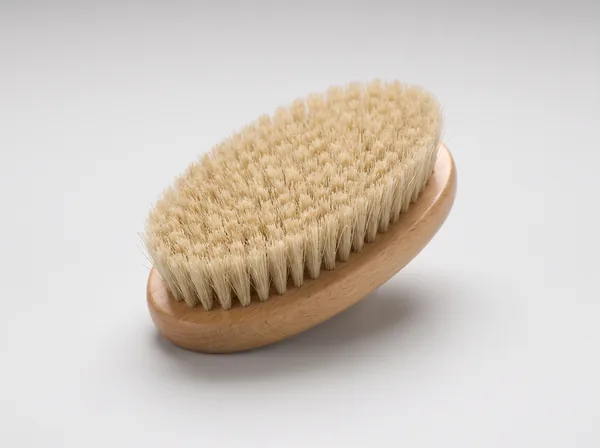
Kit for an Older Dog
Gentler tools, and the ones that make a bath safer
We earn a commission on these links at no cost to you. How this works



Should You Switch to a Shorter Haircut?
For most old dogs with a coat that keeps growing, yes. A shorter cut means less time on the table, fewer tangles between visits and less brushing for a dog that has stopped enjoying it.
Double coated breeds are the exception, and age makes the case against shaving them stronger rather than weaker. A coat that regrows unevenly on a four year old may not fill back in at all on a thirteen year old, and that coat is the insulation keeping a dog with less body fat warm. The matting guide lists the breeds this applies to.
Take the length down gradually if you can. Going from long to very short in one appointment leaves an old dog noticeably colder, and a coat is insulation in both directions.
When Mobile Grooming Makes More Sense
For a lot of old dogs the hardest part of the day is not the grooming. It is being lifted into a car, driven somewhere loud, and made to wait. A groomer who parks outside removes all of that in one go, and the dog is back indoors within the hour.
Expect to pay around $20 to $40 above salon rates for it, which is broken down in what grooming costs. Some groomers will work inside the house instead, which suits a frail dog even better, although you are limited to whatever bathing and drying you have there.
Signs the Appointment Was Too Much
Every dog is tired after a groom and most sleep it off. What you are watching for is something beyond that.
- Stiff or limping for more than a day afterward
- Reluctant to get up, or sore when touched around the hips or shoulders
- Off its food that evening or the next day
- Far more reluctant to go in the next time
Anything on the skin, rather than in the way the dog is moving, is covered in when a groom goes wrong.
Any of those means the next appointment should be split in two, or shortened, or moved to a groomer who comes to you. Say it plainly when you rebook, because a groomer cannot see what happened at home.
Why the Appointment Still Matters
By this stage the haircut is the least important part of the appointment. What the visit is really doing is keeping nails off the floor so the joints are not fighting the feet, keeping the back end clean so the skin does not scald, keeping the coat clear so nothing felts against a hip the dog lies on, and putting a pair of experienced hands over the whole animal every few weeks.
That last one is worth more than people expect. Groomers find lumps, sore ears, bad teeth and skin problems earlier than owners do, simply because they touch every part of the dog in good light.
The breed guides give the routine each coat needs, and the salon directory can find you somebody close enough that the journey is not the hardest part of the day.
Explore Our Breed Directory
Browse detailed guides for every breed mentioned in this article
View All Breeds