When a Groom Goes Wrong
Which problems are ordinary risks of the work, which are not, and how to get it put right
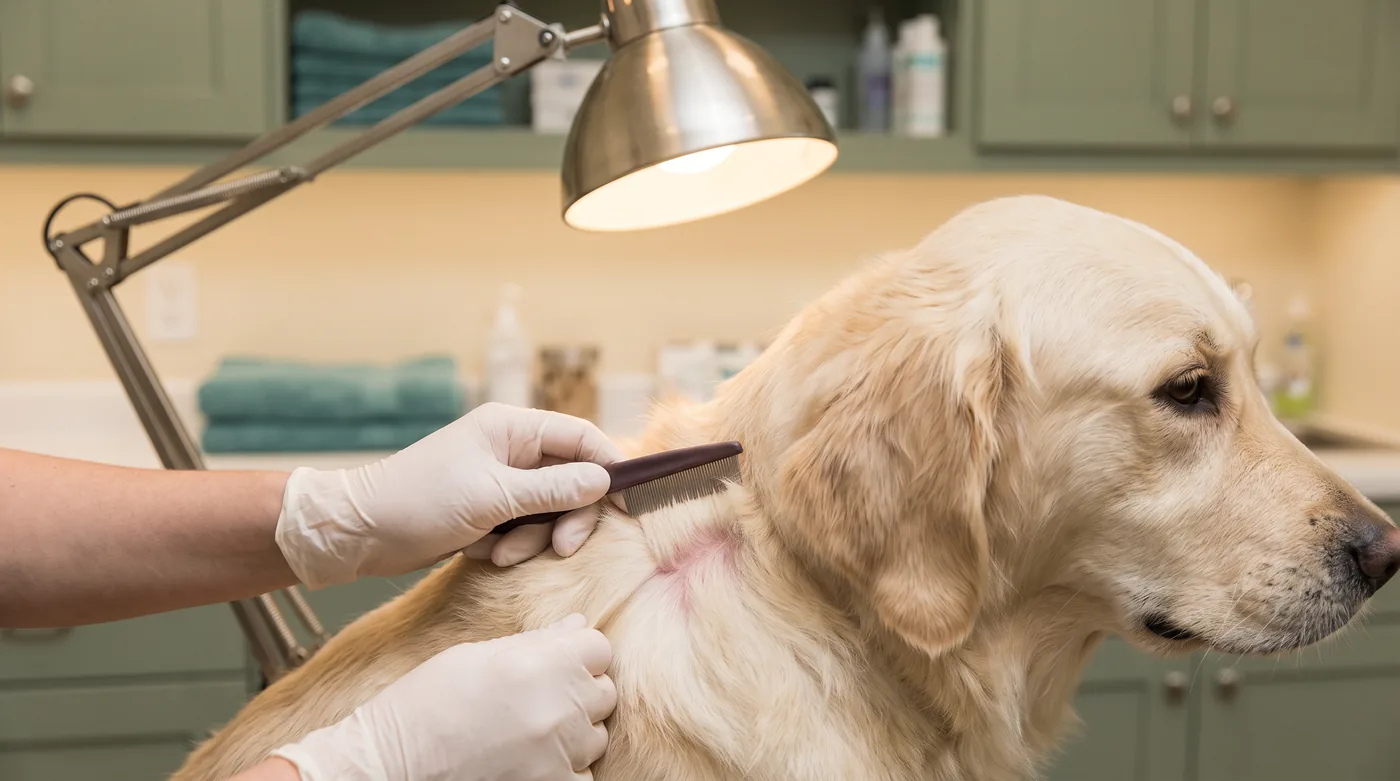
Grooming involves sharp blades moving fast over loose skin on an animal that can shift its weight without warning. Most appointments pass without incident. Over enough years, every salon has a day where something happens.
What helps is being able to tell an ordinary risk of the work from carelessness, and both of those from something that needs a vet the same day. They look more alike than they should from the outside.
What Counts as a Normal Risk?
A short list, and every one of them can happen to a careful groomer.
- A small nick, most often on an ear tip, the tail, an armpit or the sanitary area
- Mild clipper irritation, usually in the sanitary area or on the neck
- A quicked nail that bleeds briefly and stops
- A tired dog that sleeps for the rest of the day
- A shorter haircut than you asked for, when the coat turned out to be matted underneath
What separates a reasonable salon from a careless one is usually not whether anything ever happens. It is whether you were told before you got to the car.
Why Nicks and Cuts Happen
Almost all of them come from four situations, and knowing which yours was tells you a lot.
Loose skin. Armpits, the flank, the neck and the sanitary area all have skin that moves. A blade that flattens a fold takes the top of it if the dog shifts at the wrong moment.
Matting. A felted coat sits tight against skin and the skin lifts into it, so what looks like the underside of a mat is frequently skin. This is why clipping a badly matted dog carries real risk however careful the work is, and it is covered at length in the matting guide.
Skin tags and warts. Invisible under coat and easily caught. On an older dog they are everywhere, which is why grooming a senior dog makes so much of telling the groomer where they are.
Movement. A dog that jerks while a blade is against it. Nothing prevents this entirely.
Ear tips and tail tips deserve their own note, because they bleed dramatically for a very small wound and they are difficult to stop. A groomer who calls you about an ear tip is not overreacting.
What Is Clipper Burn on a Dog?
Clipper burn, also called clipper rash or razor burn, is skin irritation caused by friction and heat from the blade. It usually shows up as redness, small bumps and itching, and the dog licks or scratches at it.
It has three common causes. A blade that has gone dull drags and pulls the hair instead of cutting it cleanly. A blade that has been running for a long time gets genuinely hot, hot enough to burn if it is held against skin. And clipping very close, especially against the direction of the coat, takes the hair down to almost nothing and leaves the skin exposed.
The places it appears most are the sanitary area, the belly and the neck, which is exactly where the skin is thinnest and the blade is used shortest.
The timing catches people out. Clipper burn often is not visible at pickup and shows up that evening or the next morning, by which point the dog has been home for hours.
What to Do About Clipper Burn
Mild irritation settles on its own in a few days. What matters is that the dog does not make it worse.
- Stop the licking. Licking is what turns a red patch into an infected sore. A soft recovery collar for a couple of days is usually all it takes.
- Keep the area clean and dry, and leave it alone otherwise.
- Do not put human creams or ointments on it. A lot of them are harmful if a dog licks them off, which a dog will.
- Do not bathe it or apply anything perfumed.
See a vet if it is spreading, weeping, warm to the touch, obviously painful rather than itchy, or if it has not improved in two or three days. Irritated skin gets infected easily, and that is not something to wait out.
What Is Brush Burn?
Brush burn looks similar and comes from somewhere else entirely. It is caused by a slicker brush worked repeatedly over the same patch of skin, usually while somebody tries to get a mat out, and it leaves the same red, raw, tender area without any blade being involved.
It turns up most on the legs, behind the ears and on the belly, which are the places mats form and the places a brush gets used hardest. The treatment is the same and so is the point at which you stop waiting and phone a vet.
What to Do About a Quicked Nail
The quick carries a blood vessel and a nerve, so cutting it hurts and bleeds far more than the size of the nail suggests. It happens to every groomer and every owner eventually, and it is most likely on dark nails and on nails that have been left long.
Ordinary version: it bleeds, styptic powder and thirty seconds of pressure stop it, the dog is annoyed for a minute. Nothing more is needed.
Phone a vet if the bleeding restarts and will not stop, if the toe swells, if the dog will not put weight on the foot the next day, or if the nail itself is split or torn rather than cut short.
Water in the Ears and Shampoo in the Eyes
Both are common and both are usually minor.
Water sitting in an ear canal is a good environment for an infection, particularly in a drop-eared breed. Head shaking, scratching at one ear, a smell or a dark discharge in the days after a groom is a vet appointment, not something to clean at home.
Shampoo in the eye causes redness and blinking that settles quickly once it is flushed with plain saline. If the eye is still red, held shut, weeping or cloudy the next day, that needs looking at, because a scratched cornea looks like ordinary irritation at first and is not.
The Skin Infection That Shows Up Two Days Later
This one is worth knowing about by name, because owners rarely connect it to the groom and it is the most serious thing on this page.
Post-grooming furunculosis is a deep bacterial skin infection that appears roughly 24 to 48 hours after a bath, a groom or a hand strip. It shows as painful red bumps and small draining spots along the back, most often down the midline, and they can swell rapidly into boils that bleed.
What tells it apart from ordinary irritation is the dog rather than the skin. Dogs with it are in real pain, often out of proportion to what you can see, and they go quiet, off their food and sometimes feverish. An unwell, painful dog a day or two after a groom is the pattern.
Pseudomonas aeruginosa is the organism most often cultured from these cases, and the veterinary literature links it to grooming products contaminated after being diluted with tap water. It is treated with antibiotics chosen for that organism, and most dogs improve markedly within about 48 hours of starting them.
This is a same-day vet visit, not a wait and see. It is also worth telling the salon, because a contaminated bottle affects every dog washed from it.
The Coat That Grows Back Wrong
Not an injury, but the complaint groomers hear most often months later.
A double coat is two coats doing two jobs, and shaving takes both off at once. The soft undercoat comes back first and fastest, so for months the dog is wearing the wrong half: woolly where it used to be sleek, patchy over the shoulders and hips, often a shade off its old color. Some dogs never fully recover the original coat. Huskies, Pomeranians, Chow Chows, Golden Retrievers and Samoyeds are the ones this happens to most.
If the shave was necessary because the coat was matted to the skin, that was still the right call, and clipping a felted coat off is kinder than hours of pulling at it. If it was done because somebody thought the dog would be cooler in summer, it was not, and a groomer should have said so. The matting guide covers which coats must not be shaved by choice and why.
What Is Not a Normal Risk
These are different in kind, not in degree.
- A broken or dislocated limb, or an injury from a fall off a table
- Any injury from a grooming loop left on an unattended dog
- Heat injury, particularly from a heated cage dryer left running
- A large wound, a deep cut, or one that needed stitches
- An injury nobody mentioned at pickup that you found later
- A dog returned distressed, soaked, or with a different injury each visit
The unattended ones matter most. A dog on a table is in a raised position it cannot get down from safely, and a dog left there with a loop around its neck is the situation behind most of the worst grooming accidents there are.
What to Do First
The order matters, because evidence disappears fast under regrowing coat.
- Deal with the dog. Vet first if there is any doubt at all.
- Photograph it in good light, with something in frame for scale, before you do anything else.
- Get it documented. Ask the vet to write down what they saw and what they think caused it. A vet record is the difference between a disagreement and a fact.
- Keep the invoice and any medication receipts.
- Write down the timeline while it is fresh: drop-off, pickup, what you were told, when you noticed.
How to Raise It With the Salon
Contact them the same day if you can, and go in person or phone before posting about it anywhere. A salon that hears about a problem from a review has already lost the chance to fix it, and most of them would rather fix it.
Be factual and specific. What you found, when, what the vet said. Ask what happened rather than accusing anybody of anything, because you were not in the room and sometimes the answer is reasonable.
A good salon apologizes, tells you plainly what occurred, offers to cover the vet bill for anything that happened in their care, and puts a note on the dog's file. Many carry insurance for exactly this.
If the conversation is going nowhere, put it in writing. A short email with dates, what happened, the vet's findings and what you are asking for changes the tone of most disputes, and it gives you a record.
If the Salon Will Not Engage
Grooming is not a licensed trade in most of the country, so there is generally no state board to report a groomer to. That surprises people and it shapes what is actually available.
- Your state consumer protection office or attorney general takes complaints about businesses, and the paper trail matters even when no individual case is pursued.
- Small claims court handles veterinary costs. The limits are set by state and the process is designed to be used without a lawyer.
- A card chargeback may be possible if you paid by credit card, and the window is limited, so ask early.
- A certifying body, if the groomer holds a certification, has a complaints process of its own.
- An honest, factual review. Stick to what happened and what the vet documented. That is both fairer and considerably more useful to the next owner.
If the dog was injured badly, your vet may also have a view on whether it should go further. Ask them.
What to Keep in the House
Most of what happens after a groom is minor and gets handled at home in ten minutes, provided the things you need are already in a drawer.
Worth Having Before You Need It
None of this replaces a vet visit, and all of it buys you the time to get there calmly
We earn a commission on these links at no cost to you. How this works


When the Dog Comes Back Different
Not every problem is on the skin. A dog that used to walk into the salon and now plants its feet in the parking lot has probably had a bad appointment, even if nothing was said.
Most dogs are flat and sleepy for a few hours after a groom, which is normal. What is worth paying attention to is a dog that flinches from being touched in one specific place, that will not let you near its feet or ears afterward, or that is clearly reluctant the next time.
Check the dog over carefully in good light first, because pain is the most common reason. If nothing shows up, grooming an anxious dog covers how to work back from a bad experience, and it is worth asking the salon what the appointment was like.
How to Make It Less Likely Next Time
- Keep the coat clear between visits. Almost every cut, and every unwanted short haircut, traces back to matting. This is the biggest single thing in your control.
- Tell them where the lumps are before the appointment, not after.
- Say what the dog objects to. Feet, ears, back end, being turned around.
- Do not book when you are in a hurry. Rushed appointments are where things get caught.
- Stay with one groomer. Somebody who knows your dog knows where the wart is and which foot it snatches away.
Grooming at home covers the between-visit routine, and how to choose a groomer covers what to look for before you hand a dog over in the first place. If you are starting again somewhere else, the salon directory covers every state.
Explore Our Breed Directory
Browse detailed guides for every breed mentioned in this article
View All Breeds