How to Choose a Dog Groomer
What to look for, what to ask, and the warning signs worth walking away from

Finding a groomer you trust is harder than it should be. In most of the United States pet grooming is not a licensed trade, which means there is no exam anybody has to pass and no register they have to appear on. Two salons on the same street can be run to completely different standards and nothing on the door will tell you which is which.
That is not a reason to panic. Most groomers are careful people who are good with animals. But it does mean the checking is down to you, and a bit of it goes a long way.
This covers what to look for when you visit, the questions worth asking before you book, the answers that should send you elsewhere, what certification does and does not prove, and how to trial somebody new without much risk.
Do You Actually Need a Professional Groomer?
Not every dog does, and it is worth knowing which kind you have before you start looking.
A short coated dog like a Labrador, a Beagle or a Boxer can usually be kept in good order at home with a rubber mitt, regular nail trims and the occasional bath. Plenty of these dogs never see a salon and are perfectly comfortable.
A dog whose coat keeps growing is a different situation. Poodles, Bichons, Shih Tzus, most of the Doodles and any of the terriers that are hand stripped need cutting on a cycle, and that is skilled work with sharp tools close to skin. Double coated breeds sit in between: nothing needs cutting, but a proper bath and blow out a few times a year removes more dead coat than you will ever get out at home.
If you are not sure which category your dog falls into, the coat is the thing to look up rather than the breed name. The breed guides give the interval and the routine for each one.
What Does a Good Grooming Salon Look Like?
Ask to see where the dogs are kept before you book anything. This is a normal request and a good salon will simply show you.
What you are looking for is fairly ordinary. The floors and tables should be clean rather than merely tidy, and there should not be piles of hair from the last three dogs sitting around. Dogs waiting their turn should be somewhere quiet, not stacked in crates underneath a running dryer.
The thing worth watching most closely is whether anybody is left alone on a table. A dog on a grooming table is in a raised position it cannot safely get down from, and a dog that jumps or falls from one can be badly hurt. Every dog on a table should have a person within arm's reach.
Listen as well as look. A working salon is never silent, and barking is normal. What you do not want to hear is sustained distress, or staff shouting at animals.
What Questions Should You Ask Before Booking?
Five questions will tell you most of what you need to know.
- How long will my dog be with you, and will it be crated? Either answer can be fine. A four hour appointment where the dog waits its turn is normal in a busy salon, and you simply want to know what you are agreeing to.
- Do you use cage dryers, and are they heated? A cage dryer blows air into a crate so the groomer can work on another dog. Used sensibly and checked constantly they are fine. Heated ones left unattended have killed dogs. Some salons refuse to have them at all.
- What happens if my dog will not let you finish? You want to hear a plan, something like stopping and finishing another day. A groomer who says that never happens has either not been doing it long or is not being straight with you.
- Have you worked on this breed before? Worth asking for anything with a specialist coat: hand stripped terriers, corded breeds, and cats.
- What do you do if you find something? A lump, a sore ear, fleas. The answer you want is that they stop and call you.
Warning Signs Worth Walking Away From
Some answers should end the conversation.
A firm price quoted over the phone with no questions asked. The condition of the coat is most of the work, and nobody can price that accurately without seeing the dog. Expect a range and a conversation.
Reluctance to let you see the back. You are asking about the room your dog will spend several hours in.
A promise to brush out a badly matted coat rather than clip it. When a coat has felted down to the skin, hours of dematting hurts the dog considerably more than a short haircut does. A groomer who agrees to do it either does not understand that or is telling you what you want to hear. The matting guide explains why in more detail.
Everything being the previous groomer's fault. Sometimes true, rarely the whole story.
Does a Dog Groomer Need to Be Certified?
Because the trade is unregulated, certification is voluntary. Several bodies offer it, including the National Dog Groomers Association of America and the International Professional Groomers, and you may see titles such as Certified Professional Groomer or Certified Master Groomer.
Certification means somebody sat an assessment and cared enough to do it. That is a genuine signal and worth something.
What it does not mean is that an uncertified groomer is unqualified. A great many excellent groomers learned in a salon over several years and never sat a formal assessment. Treat certification as a point in somebody's favor and weigh it against what you actually see when you visit.
How Much Should Dog Grooming Cost?
In 2026 a full groom generally runs about $40 to $80 for a small dog, $70 to $110 for a medium one, $90 to $140 for a large dog and $120 to $180 for a giant breed. Big city salons commonly sit well above that.
Prices that look far below the local going rate usually mean something: a shorter appointment, less drying time, or a lot of dogs moving through quickly. That is not automatically bad, but it is worth asking what is included.
What grooming costs breaks down what actually moves a price, including why a matted coat is charged by time.
How Long Does a Groom Take?
Two to four hours is typical for a full groom, and much of that is not cutting. Bathing, drying and brushing out take longer than the haircut on almost every coat.
Some salons run appointment based slots where you drop off and collect at a set time. Others work through the day and call you when the dog is ready. Neither is better, but if your dog finds waiting stressful, a salon that books a specific slot is worth seeking out.
Salon, Mobile, or Somebody Who Comes to You?
A salon is usually the cheapest option and has the most equipment, including proper high velocity dryers and a bath big enough for a large dog.
Mobile grooming costs more, typically $20 to $40 above salon prices. What that buys is worth having for some dogs: your animal is the only one there, the environment is quiet, and it never leaves your street. For an anxious dog, an older one, or a cat, that can be the difference between a groom that works and one that does not.
Some groomers will work in your home. This suits nervous dogs and small ones, though bathing and drying facilities are usually limited to whatever you have.
What to Have at Home Between Appointments
Whichever groomer you choose, most of the outcome is decided by what happens in the weeks in between. A coat that has been kept clear arrives as a bath and a trim. The same coat neglected arrives as a dematting job, which costs more and often ends in a much shorter cut than anybody wanted.
You do not need much. A comb is the single most useful thing to own, because a brush will glide happily over a felted layer and a comb will not.
A Basic Home Grooming Kit
The tools that keep a coat in good order between salon visits
We earn a commission on these links at no cost to you. How this works


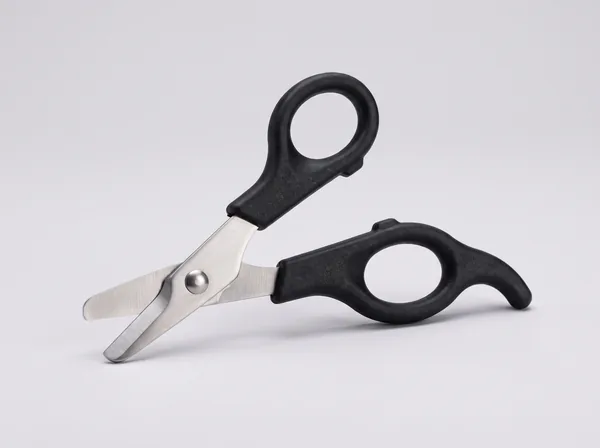


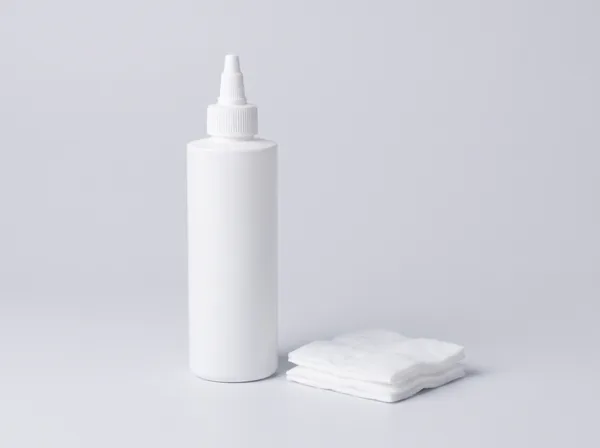
Grooming at home covers how to use these properly, including why a human hair dryer is the wrong tool for drying a dog.
How to Trial a New Groomer
Do not book a full restyle first time. Book a bath, a tidy and nails, which is cheaper, shorter and much less can go wrong.
Tell them it is a first visit and ask them to call you if anything comes up. When you collect the dog, look it over in decent light before you leave, and ask how it was. A groomer who volunteers that your dog was unhappy about its back feet is being useful, and that is the kind of information you want.
Then watch the dog for a day. Most are tired after a groom, which is normal. What you are looking for is whether it seems worried about being touched, or reluctant to go back next time.
What If Something Goes Wrong?
Nicks and clipper burn happen occasionally in every salon that has been open long enough, particularly on loose skin and matted coats. What matters more is whether you were told.
A groomer who mentions a small cut at the counter is being straight with you. Finding it yourself that evening is a different matter, and it is about honesty rather than skill.
When a groom goes wrong covers which problems are ordinary risks of the work, which are not, and how to raise it so it gets resolved.
Once You Find Somebody Good
Stay with them, and book the next appointment before you leave. Good groomers fill up, particularly before holidays.
A groomer who has seen your dog a dozen times knows which bits it objects to, how its coat behaves in summer, and what you asked for last time. That is worth a great deal more than saving a few dollars somewhere else.
Find grooming salons near you, listed by state, county and town.
Explore Our Breed Directory
Browse detailed guides for every breed mentioned in this article
View All Breeds